They both look regal, but the difference in price and composition is massive. Learn how to spot the difference between uncut diamonds and glasswork.
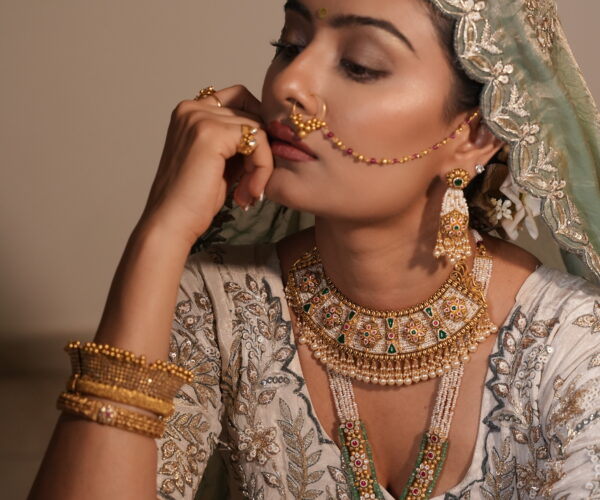
When shopping for a bridal trousseau, the first thing that catches the eye is the grandeur of traditional Indian jewelry. But soon, confusion sets in. You see two necklaces that look almost identical—both heavy, both set in gold, both radiating a royal aura—yet one costs ₹5 Lakhs and the other costs ₹25 Lakhs.
This is the classic dilemma of Polki vs. Kundan. To the untrained eye, they are twins. But to the jeweler, they are worlds apart. Knowing the difference can save you lakhs of rupees and ensure you know exactly what you are investing in.
“Jewelry is a biography. A story that ends with a piece of art.”
— Unknown
At Parshuram Dayaram Jewellers, we believe in educating our brides. Here is everything you need to know before you make your choice.
1. What is Polki? (The Real Deal)
Polki is essentially uncut, raw diamonds.
The Origin: It is one of the oldest forms of diamond jewelry, originating from the Mughal era.
The Stone: Unlike modern diamonds that are chemically processed and cut in machines to sparkle sharply, Polki diamonds are kept in their natural, raw state. They follow the natural structure of the stone.
The Look: Because the diamonds are uncut, Polki has a softer, “rustic” glow rather than a blinding sparkle. It reflects light like the moon, not the sun.
The Value: Since it uses real earth-mined diamonds, Polki is highly valuable. It is an investment asset and a family heirloom that retains significant value over time.
2. What is Kundan? (The Art of Glass)
Kundan is often misunderstood. Technically, “Kundan” refers to the highly refined, pure gold (24K) foil used to set stones. However, in modern market terms, when we say “Kundan Jewelry,” we usually refer to glass stones set in gold.
The Technique: It involves setting glass (or semi-precious stones) into a gold framework using the Jadau technique.
The Look: Kundan is famous for its intricate, colorful enamel work (Meenakari) on the back. It is incredibly shiny and polished.
The Value: Kundan is far more affordable than Polki because the stones used are not diamonds. You are paying primarily for the gold weight and the labor (craftsmanship), not the stones.
3. The Key Differences at a Glance
| Feature | Polki (Uncut Diamond) | Kundan (Glass Stone) |
| Main Material | Natural Uncut Diamonds | Glass / Semi-precious Stones |
| Cost | Very High (Expensive) | Moderate to High (Affordable) |
| Shine | Soft, antique, rustic glow | Highly polished, glossy shine |
| Investment | High Resale Value | Lower Resale Value (Gold only) |
| Best For | Heirlooms, Main Wedding Day | Sangeet, Maang Tikkas, Fashion |
The Verdict: Which Should You Choose?
The choice between Polki and Kundan depends entirely on your goal:
Choose Polki If: You are looking for a solid investment. If you want a piece that you can pass down to your daughter or daughter-in-law 20 years from now as a valuable asset, Polki is the clear winner.
Choose Kundan If: You want the “Grand Royal Look” on a budget. If you want a massive, heavy necklace that covers the whole neck for a specific function but don’t want to lock away huge capital, Kundan is a stunning, practical choice.
At Parshuram Dayaram Jewellers, we offer certified masterpieces in both styles. Whether you choose the raw fire of Polki or the artistic brilliance of Kundan, our craftsmen ensure that every piece is a blend of ancient art and modern trust.
Visit us to see the difference with your own eyes.